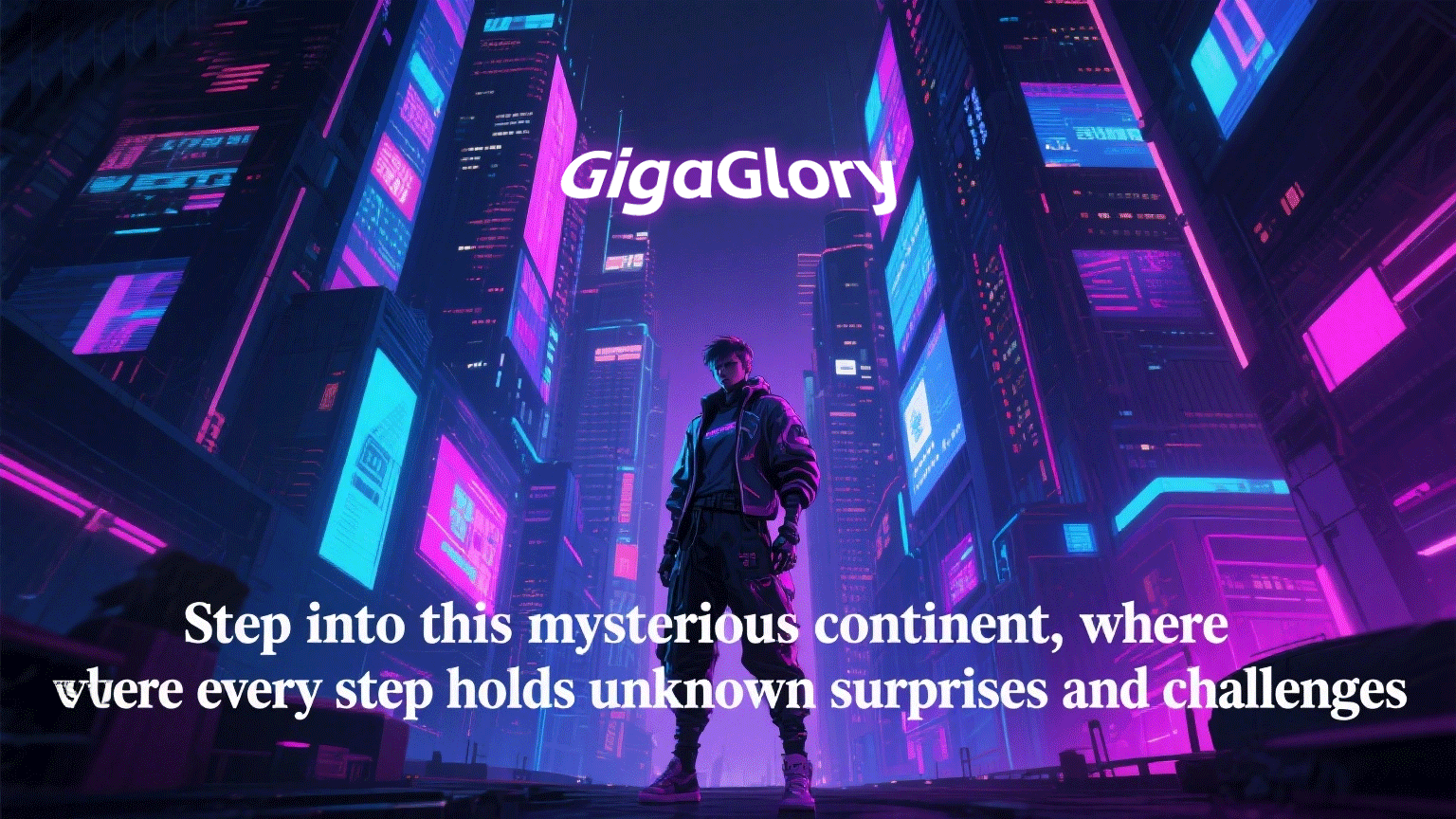
The Rise of Open World Games: How Hyper Casual Games Are Changing the Gaming Landscape
In recent years, the gaming industry has witnessed a massive transformation, particularly through the rise of open world games. These expansive digital realms offer players unmatched freedom, allowing them to explore, engage, and create their own paths. Parallel to this trend, hyper casual games have surged in popularity, appealing to a broad audience with their simple mechanics and quick gameplay. This article delves into how these two genres are evolving and reshaping the entire gaming landscape.
Understanding Open World Games
Open world games distinguish themselves from traditional gaming formats through their immersive, interactive environments. Players can roam vast worlds filled with quests, challenges, and secrets waiting to be uncovered. Popular examples include titles like “The Legend of Zelda: Breath of the Wild” and “Grand Theft Auto V,” which allow players to navigate their stories in unique ways. Not just a matter of scale, these games foster a sense of agency, encouraging players to make choices that significantly impact their experience.
Hyper Casual Games: The New Trend
The landscape of gaming has also been revitalized by hyper casual games. These games are characterized by minimalistic designs and intuitive gameplay. They cater to short attention spans and busy schedules, allowing players to jump in and out with ease. The appeal isn’t just in casual gameplay; titles like “Flappy Bird” and “Helix Jump” have shown that simplicity can lead to enormous success.
| Game Title | Genre | Key Features |
|---|---|---|
| The Legend of Zelda: Breath of the Wild | Open World | Vast explorations, freedom, intricate storytelling |
| Flappy Bird | Hyper Casual | Simple mechanics, quick sessions, addictive gameplay |
Changing Player Expectations
The emergence of both open world games and hyper casual games has fundamentally altered player expectations. Players now seek depth, choice, and engagement. They appreciate the freedom to engage with narratives on their own terms. In contrast, the fast-paced and easily accessible nature of hyper casual games has led to the rise of shorter gaming sessions that fit seamlessly into modern life.
- Immersive environments entice exploration.
- Players value autonomy and decision-making.
- Accessibility and simplicity drive hyper casual popularity.
The Intersection of Both Genres
Interestingly, while open world games and hyper casual games seem divergent, an intersection is forming. Some developers are merging elements, creating open worlds that accommodate quick, bite-sized gameplay. For example, games that allow for short quests within expansive environments are gaining traction, bringing a hybrid model that appeals to diverse gamers.
Examples of Innovative Games
Take “Mogadishu Delta Force,” which weaves together elements from both genres. This game allows players to engage in open-world exploration while featuring quick, hyper casual-style missions that can be completed in minutes. Such innovation reflects a growing trend where developers grapple with the balance of depth and accessibility.
In addition, games that integrate elements from sources like biblical stories, like "Bible Story Game: Bible Word Puzzle," showcase how various themes and mechanics can converge. Players are increasingly looking for emotionally resonant narratives paired with engaging gameplay to craft truly unforgettable experiences.
Conclusion
As we observe the evolution of the gaming landscape, it’s evident that both open world games and hyper casual games are here to stay. Each genre brings its strengths and appeals to different player bases. A synergy is emerging, combining the expansive possibilities of vast worlds with the engaging simplicity of hyper casual gameplay. This trend not only reflects a shift in player preferences but also paves the way for developers to explore new creative avenues. The future of gaming is bright, bold, and ever-evolving.